
The Nature Conservancy on Springs Restoration to Save Manatees
Florida’s waterways are home to a creature like no other – the lovable, slow-moving manatee. These gentle giants glide through rivers and springs, embodying the natural beauty of the Sunshine State.
Unfortunately, maintaining these habitats isn’t always easy, and their survival depends on preserving and restoring the environments they call home.
Through innovative springs restoration efforts and focused manatee conservation initiatives, we’re working to help these iconic animals thrive for generations to come. From safeguarding nutrient-rich springs to fostering healthier ecosystems, every effort supports the delicate balance of their world. Let’s explore how these vital efforts protect one of Florida’s most cherished species.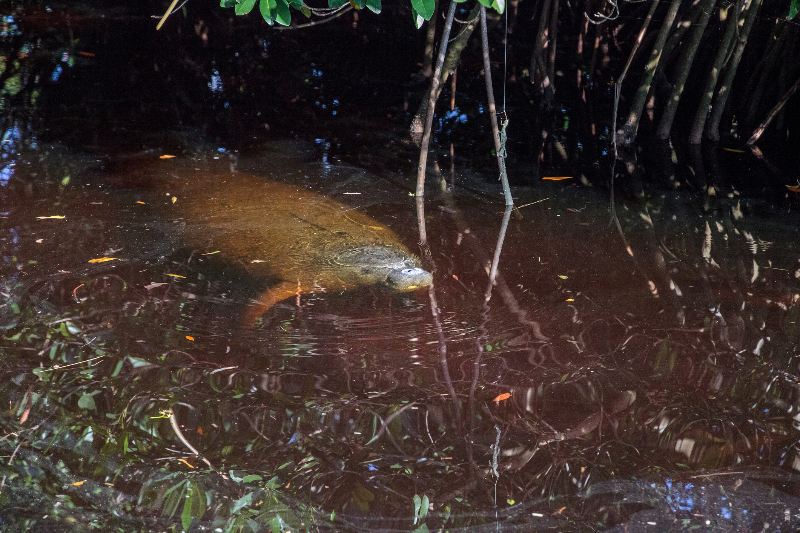
Why Manatees Matter – Their Ecological & Cultural Importance
As a beloved part of Florida’s wildlife, manatees are nature’s gentle gardeners, shaping the balance of marine ecosystems in Florida’s aquatic environments. Their herbivorous dining habits keep seagrass beds healthy and thriving by eating the excess growth that might otherwise smother waterways.
Seagrass beds, sustained in part by their movement and grazing, provide vital food sources and shelter for countless marine species. As they forage, manatees help spread seeds and nutrients, which encourages the regeneration of these essential underwater meadows.
Communities across the state have long embraced these animals. But manatees aren’t just celebrated – they’re also protected by Florida’s strict conservation laws, symbolizing a broader commitment to preserving biodiversity. Safeguarding manatees strengthens the delicate balance of marine life and nurtures the heart of Florida’s unique natural heritage. And their survival benefits our environment, as well as the people who live, work, and explore nearby waters.
Manatee Habitat Threats in Florida
A quiet day on the water can change fast, especially in places where manatees are known to gather. Manatees depend on clean, connected waterways to survive, but their habitats face growing pressure from human activity and environmental disruption. As a result, the habitats they tend to occupy are becoming harder to find.
Manatees often swim near the surface in shallow areas, which puts them at serious risk of boat strikes. Collisions with passing watercraft remain one of the most serious threats, making manatees vulnerable to propeller strikes, especially in busy waterways. Responsible boating practices like slowing down in marked zones and watching for their telltale ripples can help boaters share the water responsibly.
Habitat loss also weighs heavily on manatees. Pollution, shoreline development, and the decline of seagrass beds are all disrupting the spaces they rely on. And without seagrass, manatees lose a major food source.
Warm-water springs, which provide refuge during colder months, are also disappearing. The springs that once flowed freely are now blocked or reduced, cutting off access to the freshwater manatees depend on. These changes don’t happen all at once, but they add up.
Conservation groups work tirelessly to restore these environments and make sure manatees have safer spaces to call home. Through our collective efforts, we can create a future where they continue to flourish.
The Role of Springs Restoration in Saving Manatees
A dip in temperature can send manatees searching for warmth, and Florida’s natural springs have long offered the perfect refuge. So, when the winter chill hits, warm-water springs transform into vital lifelines. These freshwater springs stay above 68 degrees year-round, helping manatees regulate their body temperature during colder months.
But barriers like dams and reduced water flow have made many of these natural sanctuaries inaccessible. Over time, manatees developed a dependency on the warm water outflows from power plants, but as these facilities close or modernize, the need for restoring natural habitats has grown more urgent than ever.
The Nature Conservancy and other partners are working to reopen these habitats, giving manatees safe, reliable places to return to each winter. Their efforts help reconnect manatees with the warm-water sites they’ve used for generations.
The Nature Conservancy & Local Partnerships
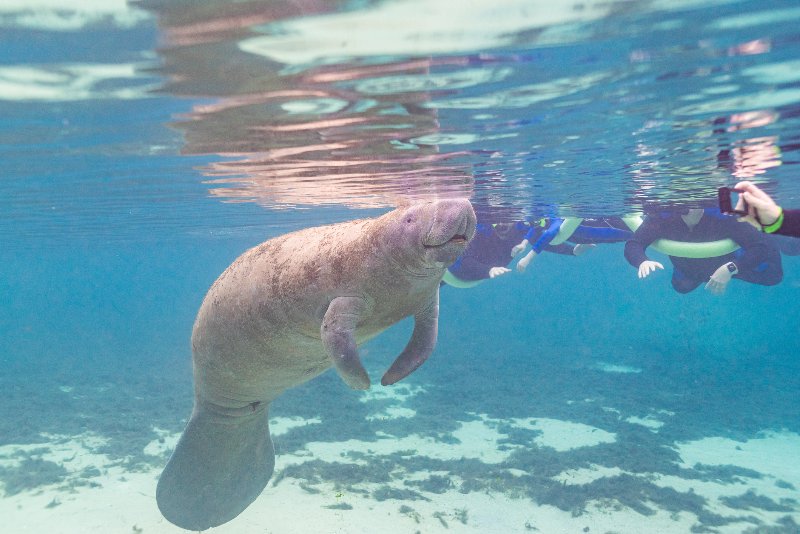
Restoring manatee habitats takes more than good intentions – it takes collaboration. The Nature Conservancy works alongside local organizations, scientists, and government agencies to bring Florida’s springs back to life. These partnerships focus on removing barriers, improving water flow, and protecting the natural spaces manatees return to each year.
Local groups also provide valuable insights and help identify areas where restoration can make the biggest impact. Together, this meaningful work reconnects manatees with the warm-water retreats they’ve always relied on. It’s a shared mission rooted in science, community, and a deep respect for Florida’s wildlife. And with each restored spring, manatees gain a better chance at long-term survival.
What’s Being Done – Current Manatee Conservation Efforts
Organizations across Florida are working hard to protect manatees and their natural habitats. Restoration projects focus on improving water quality, removing physical obstacles, and replanting seagrass beds in areas where they’ve declined.
Ongoing research also has a vital impact on developing informed conservation strategies. Scientists monitor manatee populations and track migration patterns to better understand their seasonal movements. Education campaigns are being deployed to help raise awareness about responsible boating and the importance of clean waterways. Local volunteers also play a substantial part by joining cleanup efforts and reporting sightings to help researchers gather data.
These combined efforts create safer spaces for manatees to live and thrive. Every action, no matter how small, helps strengthen the future of Florida’s aquatic ecosystems.
How the Public Can Help Save Manatees
Manatees may be protected, but they still rely on people to help keep their habitats safe. Whether you live near Florida’s waterways or are just visiting, there are simple ways to make a difference:
- Give Manatees Their Space – Keep a respectful distance in areas where manatees are known to gather. Avoid crowding or chasing them.
- Slow Down on the Water – Boat strikes are a serious risk. Operate at idle speeds in marked zones and stay alert for ripples or shadows near the surface.
- Report Sightings – Sharing manatee sightings helps researchers track their movement and monitor populations.
- Limit Fertilizer Use – Excess nutrients can fuel algae growth, which harms seagrass beds and disrupts aquatic ecosystems.
- Support Conservation Efforts – Public input helps shape policies that protect manatees. Stay informed and speak up when it counts.
- Report Emergencies – If you see an injured or harassed manatee, call Florida’s 24-hour wildlife hotline at 1-888-404-FWCC (1-888-404-3922).
Your Questions About Manatee Conservation, Answered
Why Are Manatees Considered Threatened in Florida?
Manatees are listed as threatened due to habitat loss, water pollution, and frequent collisions with boats. These factors reduce access to food sources and safe resting areas, especially in colder months when manatees rely on warm water to survive.
How Does Springs Restoration Help Manatees?
Restoring natural springs improves access to warm, stable water temperatures that manatees need during winter. It also helps reestablish healthy ecosystems, including seagrass beds, which are essential for feeding and shelter. Restoration reduces reliance on artificial warm-water sources like power plants.
What Are the Biggest Threats to Manatee Habitat?
Major threats include pollution, shoreline development, declining water quality, and the loss of seagrass beds. Physical barriers like dams also limit access to freshwater springs. These disruptions make it harder for manatees to find safe, connected habitats throughout the year.
How Can Individuals Contribute to Manatee Conservation?
People can help by slowing down boats in manatee zones, reporting sightings, reducing fertilizer use, and supporting habitat restoration efforts. Staying informed and sharing conservation messages also helps build awareness and protect manatees across Florida’s waterways.
Join Us in Protecting Florida’s Aquatic Wildlife
As Florida’s manatee conservation initiatives continue to gain momentum, more and more communities are stepping up to protect these gentle giants and the habitats they call home. Here at the Public Trust for Conservation in Jacksonville Beach, FL, we dedicate ourselves to safeguarding local land, waterways, and the species that live within them.
Your contributions can fuel vital efforts like habitat restoration and education initiatives that empower others to care for manatees and their environment. Donations to our nonprofit also directly impact our work and are tax-deductible.
Become part of this important movement – contact us today to learn how you can make a real difference.