
A Look at Sewage Sludge & Florida’s Management Practices
It’s easy to overlook what happens after wastewater leaves our homes and businesses, but the fascinating process behind it plays a substantial role in protecting Florida’s environment.
One of the most important byproducts that accumulate when domestic wastewater is treated is sewage sludge, also known as biosolids. This organic substance might not sound all that glamorous, but it offers immense potential. When properly treated, biosolids are packed with nutrient-rich materials that can be repurposed in many beneficial ways.
As we explore how it’s produced, treated, and utilized, we’ll also take a closer look at how Florida manages biosolids, the environmental effects of improper disposal, and the challenges that lie ahead. Let’s shed light on how thoughtful stewardship can convert sewage sludge from waste into a sustainable resource and make all the difference for communities and ecosystems.
How Sewage Sludge Is Produced
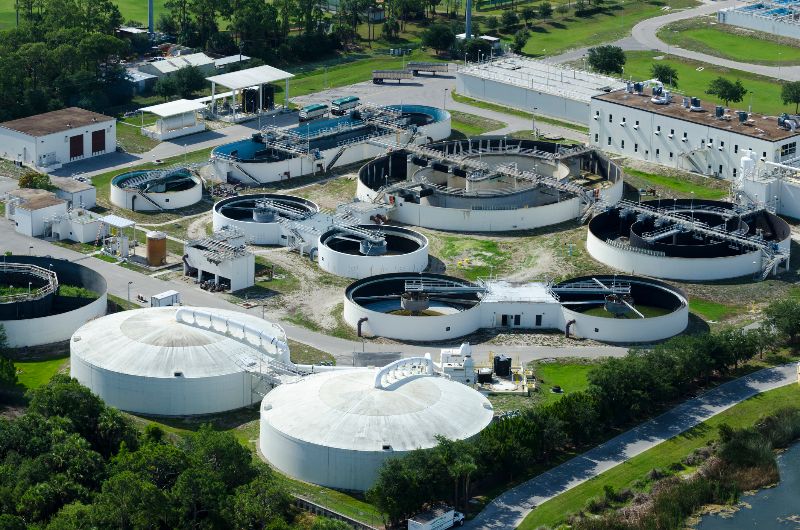
Every time wastewater flows through treatment facilities, it goes through a multi-step process that separates solids from liquids. As domestic wastewater is filtered and settled, organic matter begins to accumulate. This leftover material is what we call sewage sludge – and what the industry refers to as biosolids. It’s made up of everything from human waste to food particles and other biodegradable substances.
The term “biosolids” was introduced in the early 1990s and adopted by the United States Environmental Protection Agency (US EPA) to distinguish treated sludge from raw sludge or sludge containing high pollutant levels. Biosolids can be solid, semi-solid, or liquid, and must undergo physical, chemical, or biological treatment to reduce pathogens, odor, and vector attraction.
The manner in which sludge is treated will vary depending on the facility, the type of sludge produced, and the intended use of the final product. Sludge treatment affects the final composition and nutrient availability of biosolids, which is why analysis is recommended before land application.
Unlike other organic materials, biosolids are subject to strict regulations that guide their use and disposal, making their production a highly monitored and essential part of wastewater management.
Sewage Sludge Treatment Processes
Treating sewage sludge is a multi-step process that transforms raw waste into usable biosolids. Each method ultimately plays a distinct role in mitigating pathogens, controlling odor, and improving nutrient stability. Below are some of the most widely used treatment processes in Florida:
- Anaerobic Digestion – This process breaks down organic matter in the absence of oxygen, reducing volume and producing biogas that can be captured for energy use.
- Aerobic Digestion – Oxygen is introduced to promote microbial activity, which stabilizes the sludge and reduces odor and pathogen levels.
- Composting – Sludge is mixed with carbon-rich materials and aerated to produce a soil-like product that can be used in landscaping or agriculture.
- Dewatering – Mechanical equipment removes excess water from sludge, making it easier to handle, transport, and treat.
- Heat-Drying – Sludge is exposed to high temperatures to evaporate moisture and kill pathogens, resulting in a dry, pellet-like material.
- Alkaline Stabilization – Lime or other alkaline agents are added to raise pH levels, which helps reduce odor and inhibit microbial growth.
Florida’s Biosolids Management Practices
Florida’s approach to managing biosolids continues to evolve as local communities, governmental agencies, and environmental groups work to better protect aquatic ecosystem health. Through various wastewater management programs, the Florida Department of Environmental Protection (FDEP) has established rules and regulations on how biosolids are treated, transported, and applied.
Facilities must meet strict standards before land application is permitted, including nutrient analysis and pathogen reduction. Biosolids are often classified into categories based on treatment level and pollutant content, which determines how and where they can be used. Some are applied to agricultural land, while others are restricted to designated disposal sites.
Florida also monitors wastewater treatment facilities for compliance and tracks biosolids movement across counties. These practices help minimize nutrient runoff, protect water quality, and promote responsible disposal. As regulations continue to adapt, biosolids management remains a vital part of Florida’s broader conservation strategy.
Environmental Impacts of Sludge Disposal
Improper sludge disposal can lead to serious consequences for Florida’s natural resources, including soil quality, water safety, and long-term land use. When biosolids are over-applied or poorly managed, excess nutrients like nitrogen and phosphorus can leach into nearby waterways. This runoff can trigger harmful algal blooms, reduce oxygen levels, infiltrate natural filtration systems, and disrupt aquatic life.
These effects are particularly damaging to sensitive areas like wetlands, springs, and estuaries. That’s why sludge disposal practices are closely monitored and regulated. Facilities must follow guidelines that limit nutrient loading and prevent contamination of soil and water.
Responsible disposal helps maintain biodiversity, preserve the integrity of Florida’s freshwater systems, and reduce the chance of pollution-related damage to surrounding ecosystems.
Benefits and Uses of Treated Biosolids
Treated biosolids offer a whole myriad of practical uses that benefit both the environment and our local communities. When properly processed, biosolids contain valuable nutrients that can improve soil structure and fertility.
In Florida, treated biosolids are often used in agriculture, land reclamation, and landscaping. Farmers apply them to fields to enrich soil and reduce the need for synthetic fertilizers. Municipalities may use them to restore disturbed land or support vegetation growth in public spaces.
The type of sludge treatment and disposal method used affects the quality and application potential of the final product. With proper oversight, biosolids can be a sustainable resource that supports long-term land management goals.
Challenges & Future of Sludge Management in Florida
Managing sewage sludge in Florida presents a mix of logistical, environmental, and regulatory obstacles. As population growth increases wastewater production, treatment facilities must adapt to handle larger volumes of sludge.
Transporting biosolids to different counties can be costly and complicated, especially when disposal sites are limited. Seasonal weather patterns and water table fluctuations also impact land application schedules. Regulatory updates continue to shape how facilities treat and classify biosolids, which requires ongoing adjustments to existing infrastructure and operations.
Looking ahead, Florida is exploring more sustainable strategies to effectively treat and manage sewage sludge, including energy recovery, nutrient recycling, and improved monitoring systems. These innovations aim to curb the environmental impact while making sludge management more efficient and beneficial for communities statewide.
Answering Your Questions About Sewage Sludge Management
What Is Sewage Sludge?
Sewage sludge is the solid, semi-solid, or even liquid material that settles out during wastewater treatment. It contains organic matter, nutrients, and other biodegradable substances. Once treated, it becomes what is known as biosolids, which can be reused or disposed of under strict environmental regulations.
How Is Sewage Sludge Treated in Florida?
While treatment varies by facility and intended use, Florida leverages several methods, including anaerobic digestion, composting, dewatering, and heat-drying. These processes reduce pathogens and odor, making biosolids much safer for land application or disposal.
Why Is Sludge Management Important for Aquatic Ecosystem Health?
Proper sludge management helps prevent nutrient runoff into our waterways. Excess nitrogen and phosphorus can harm aquatic life and trigger algal blooms. Regulated disposal protects wetlands, springs, and estuaries from pollution-related damage.
What Are the Main Disposal Methods for Sewage Sludge?
Some of the most commonly employed disposal methods include land application, landfill use, and incineration. Florida also monitors biosolids movement and restricts disposal in protected or sensitive areas. Disposal practices ultimately depend on the treatment level and pollutant content.
Join Us in Advancing Sustainable Wastewater Practices
As Florida’s sewage sludge management strategies continue to evolve and adapt, more communities are recognizing the importance of responsible wastewater treatment and biosolids reuse. At Public Trust for Conservation in Jacksonville Beach, FL, we’re committed to protecting the land, water, and wildlife that make this region so unique. Through legal advocacy, education, and environmental initiatives, we work diligently to address pollution threats and promote sustainable practices across Northeast Florida.
Your contributions will help fuel efforts like sludge monitoring, water quality protection, and community outreach. If you’d like to directly impact our ability to respond to environmental challenges, you can make a tax-deductible donation to our nonprofit.
Become part of our conservation movement – contact us today to learn more about how you can contribute.